Amalfi Coast Walking Tours
Planning Guide

Is Amalfi Coast Worth Visiting

The Amalfi Coast draws three million visitors annually to its 50-kilometer stretch of clifftop villages and terraced lemon groves. Whether the UNESCO-protected coastline justifies the journey depends on what you expect from vertical towns, narrow coastal roads, and Mediterranean light—and what you're willing to navigate to experience them.

9 min read Updated 2026-09-24 Fact-checked
Is Amalfi Coast Worth Visiting

Quick answer

The Amalfi Coast delivers a rare combination of vertical architecture, cultivated coastal terraces, and protected marine environments that few Mediterranean destinations replicate at this scale. The coastline rewards visitors who time arrivals between 08:00–10:00 to avoid traffic congestion on the single coastal road, plan multi-day itineraries rather than day trips, and accept that proximity to natural beauty comes with logistical constraints and seasonal crowds.

The Strada Statale 163 coastal road threads through thirteen comuni along a coastline where mountains meet the Tyrrhenian Sea at angles steep enough that most towns climb vertically rather than spread horizontally. This geography created a built environment unlike anywhere else in southern Italy—houses stacked in tiers, staircases functioning as streets, and cultivated terraces supporting lemon cultivation on slopes that would otherwise remain wild. Whether visiting the Amalfi Coast meets expectations depends largely on understanding what the destination actually offers versus what promotional imagery suggests. The coastline is not a beach resort region—most shore access involves steep descents, and the beaches themselves consist of coarse pebbles and volcanic rock rather than sand. It is not a quiet retreat during May through September, when cruise ship arrivals and tour bus traffic create bottlenecks on the single coastal road. What it does provide is a working landscape where citrus cultivation, ceramic production, and fishing traditions continue alongside tourism, creating a visual density that rewards extended stays over quick visits. The designation as a UNESCO World Heritage Site in 1997 recognized both the engineered landscape of agricultural terraces and the architectural response to extreme topography. Positano's cascade of pastel houses, Ravello's clifftop gardens at 365 meters elevation, and Atrani's compressed medieval center each demonstrate different solutions to building on near-vertical slopes. These towns function as lived-in communities rather than museum spaces, which means navigating residential streets, encountering daily supply deliveries on narrow lanes, and sharing viewpoints with local residents as well as visitors. Logistical realities shape the experience as much as the setting itself. The coastline operates without a coastal train line—access depends on driving the winding SS163, riding SITA buses that serve towns but fill quickly during peak season, or arranging private water taxis between port towns. Mobile connectivity remains inconsistent in tunnels and between towns. Restaurant reservations become essential during summer months, and many family-run establishments close entirely from November through March. These constraints filter out visitors seeking convenience-focused travel, which partially explains why those who arrive prepared for the coastline's operational tempo tend to find the destination compelling while those expecting resort-style infrastructure often leave frustrated.

“The coastline rewards visitors who plan multi-day itineraries rather than day trips, and accept that proximity to natural beauty comes with logistical constraints.”
Timing

When Is Amalfi Coast Worth Visiting? Optimal Seasonal and Daily Timing

The period between April and May or September and October offers the most favorable balance of temperate weather and manageable visitor levels. Regardless of the season, maintaining an early schedule is essential to navigating the narrow coastal roads before peak daily traffic.

April–May

Moderate

Mild, 15°C to 22°C; ideal for walking.

Pleasant temperatures allow for comfortable exploration of coastal paths before the summer heat.

September–October

Moderate

Warm, 18°C to 25°C; stable conditions.

The sea remains warm enough for swimming while the heavy summer tourist volume begins to subside.

Weekday mornings

Low to Moderate

—

Arriving between 08:00–10:00 is necessary to avoid congestion on primary access routes.

July–August

High

Hot, 25°C to 30°C; humid.

Expect dense crowds and significant traffic delays throughout the region during these peak months.

Verdict: Visit during the shoulder months of April, May, September, or October, and prioritize a daily arrival window of 08:00–10:00 to minimize traffic and crowd impact.

What to see

What Makes the Amalfi Coast Worth Visiting: Key Locations and Villages

The Amalfi Coast offers a varied landscape of vertical cliffside villages, historic cathedrals, and terraced gardens. Each primary town provides a distinct perspective on the region's geography and Mediterranean character.

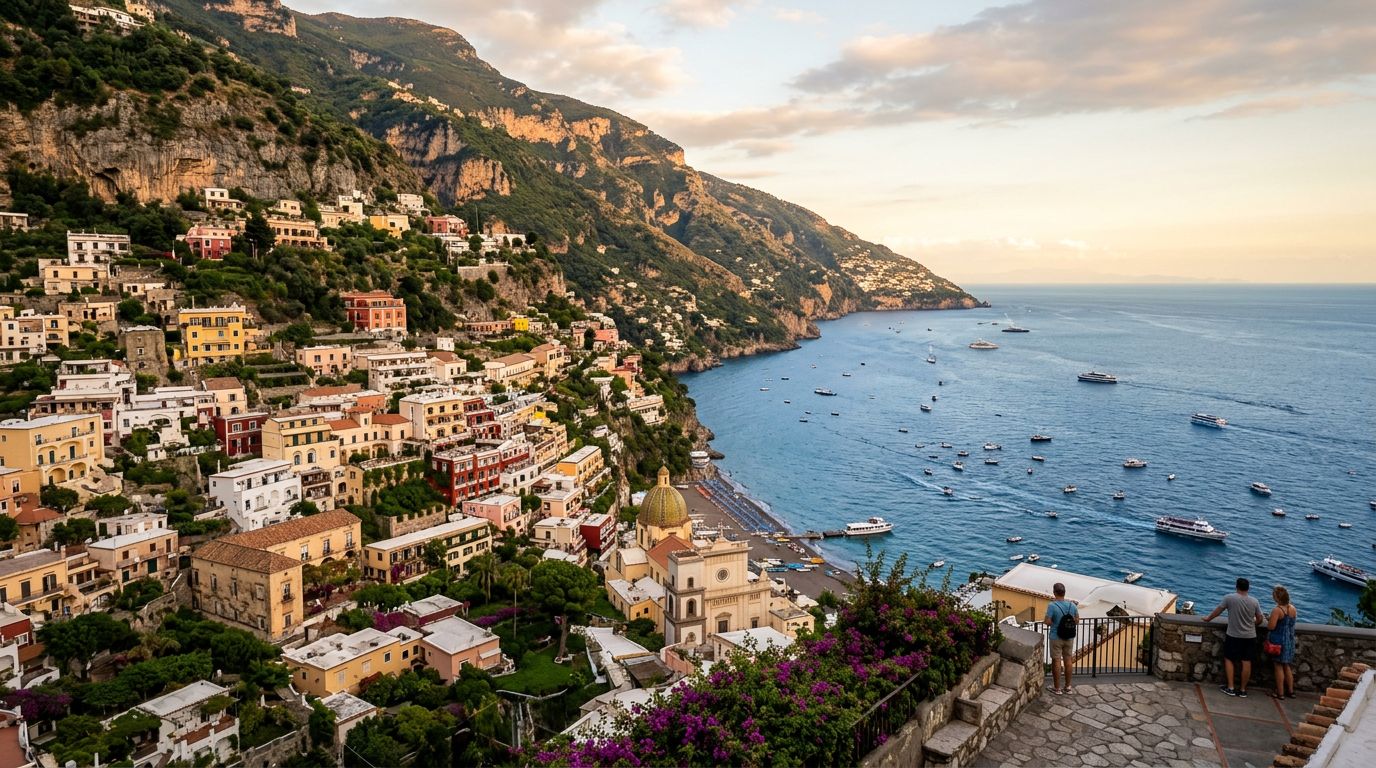
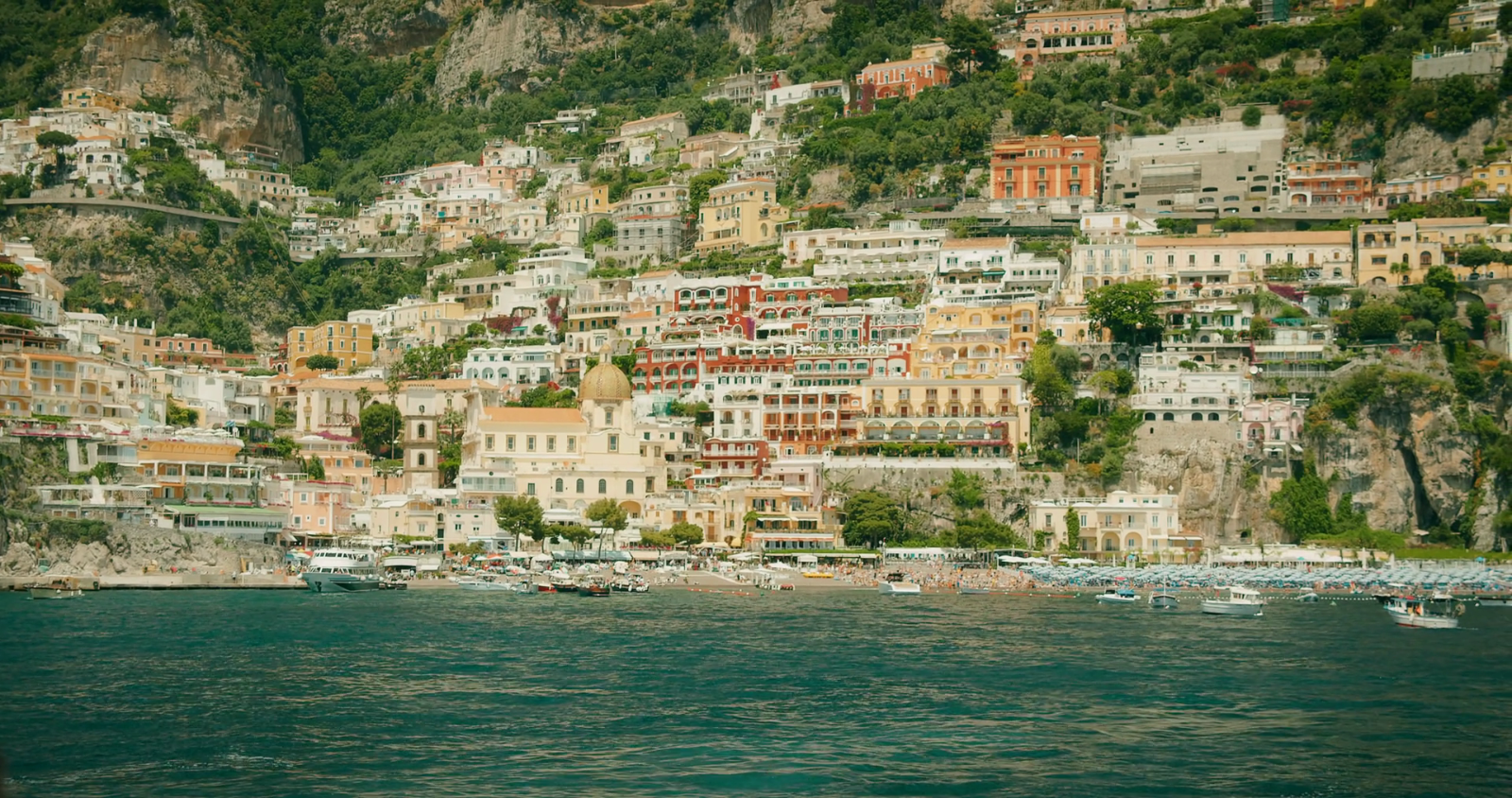
Positano

Positano

This village is characterized by narrow, steep streets and pastel-colored houses that descend toward the sea. It serves as a central hub for coastal views and seaside access.

Visit the Spiaggia Grande early to observe the vertical village architecture.
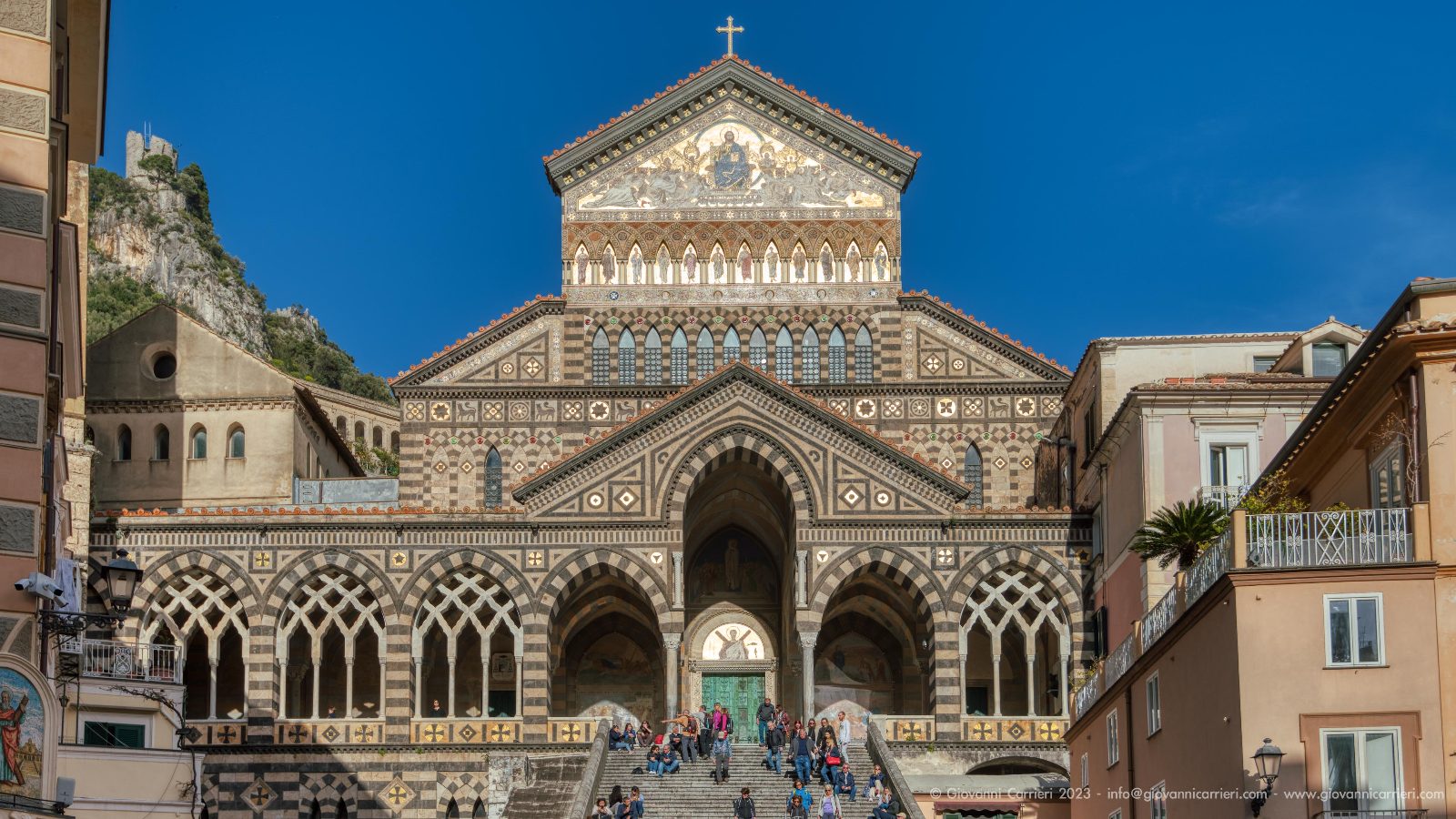
Amalfi

Amalfi

Home to the historic Cathedral of St. Andrew, this town features a compact center and a maritime history reflected in its architecture. The main square serves as the primary meeting point for visitors.

Walk to the top of the cathedral steps for a wide view.

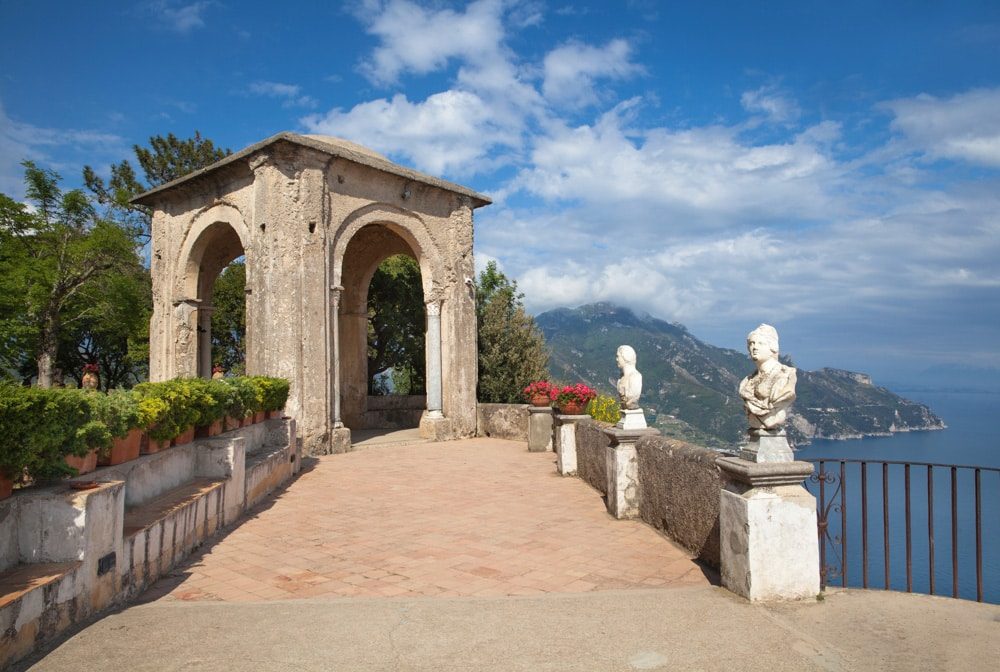
Ravello

Ravello

Positioned high above the coastline, this town is known for its quiet atmosphere and expansive panoramic gardens. It focuses on cultural landmarks rather than beach access.

Visit Villa Cimbrone gardens during the morning to avoid afternoon heat.

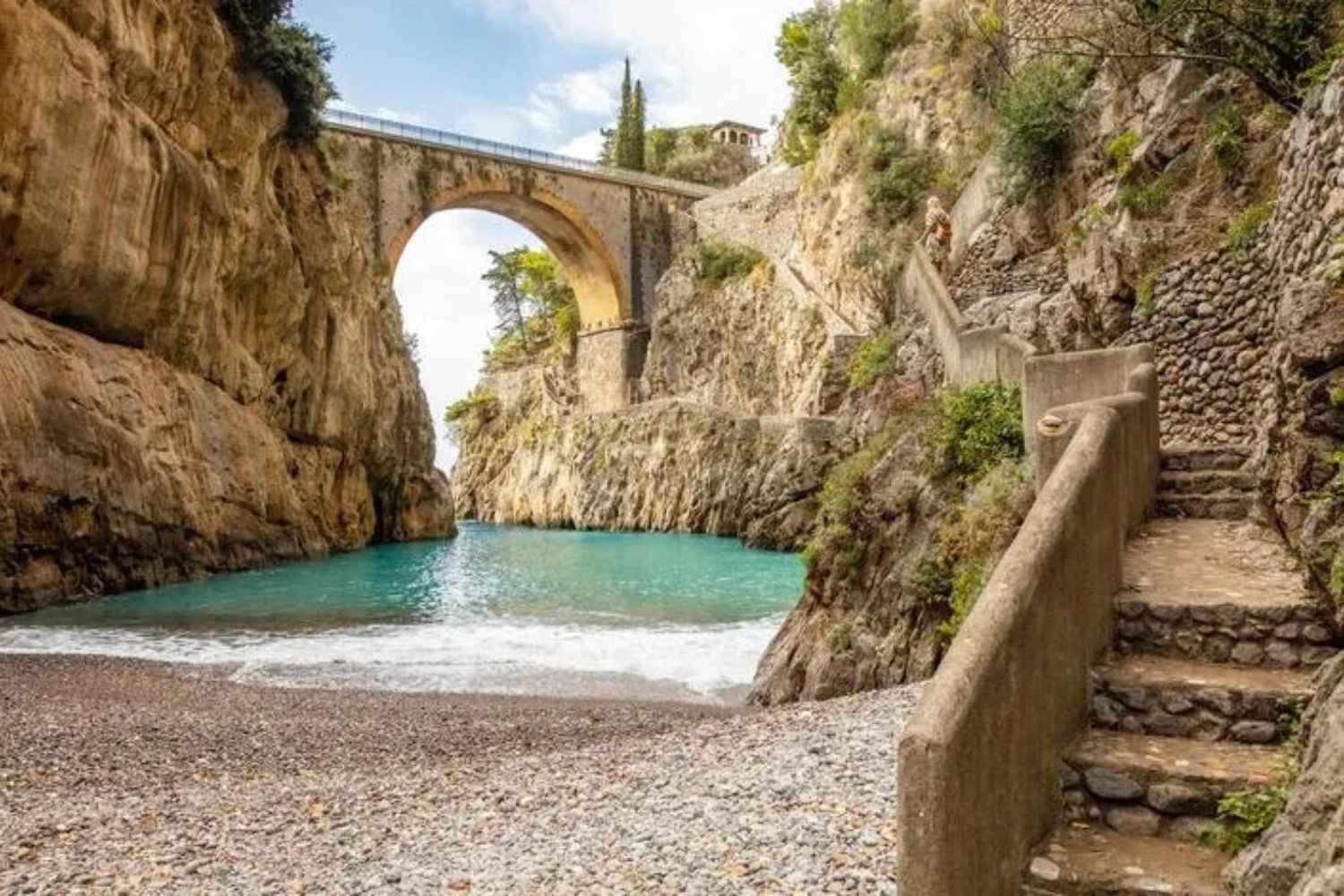
Fiordo di Furore

Fiordo di Furore

This hidden cove features a narrow inlet where a small beach is tucked beneath a stone bridge. It represents the rugged, natural geology of the coastline.

Look down from the bridge for a clear view of the cove.

Directions

How to Navigate the Amalfi Coast: Logistics for Those Deciding If It Is Worth Visiting

The Amalfi Coast is located in the Campania region of Italy and is primarily accessed via Salerno or Sorrento. Navigating the region requires careful planning due to the narrow, winding nature of the SS163 road and limited parking availability.

Train 70 min —

Circumvesuviana line to Sorrento

Bus 60–90 min —

SITA Sud line from Sorrento or Salerno

Boat 20–60 min —

Travel by ferry between coastal towns

Car Varies by traffic —

SS163 Amalfitana

To avoid heavy traffic on narrow coastal roads and peak tourist crowds, prioritize the best arrival window: 08:00–10:00. Relying on ferries rather than driving or buses can significantly improve travel efficiency.

Prices

Is the Amalfi Coast Worth Visiting? Understanding Access and Entry Costs

Access to the Amalfi Coast region and its public roads is free of charge. Visitors only encounter costs when choosing to enter specific private attractions, museums, or historical sites.

Public Coastal Access No entry fee for roads or scenery
0 EUR
Museum and Site Entry Prices vary by individual venue admission policy
Variable
Entrance to public roads and coastal areas is 0 EUR.

Verdict: A typical visitor pays 0 EUR for general access, with costs only arising from individual site-specific entry fees.

Avoid these

Common Mistakes When Deciding If Amalfi Coast Is Worth Visiting

Many visitors misjudge the logistics of exploring the Amalfi Coast, leading to wasted time and frustration. These planning errors can turn a promising trip into a stressful experience.

Renting a large vehicle for coastal roads

The SS163 coastal road is extremely narrow with hairpin turns. Rent a compact car or use buses and ferries instead—larger vehicles struggle to navigate and park.

Arriving mid-day in summer without accommodation booked

Hotels fill quickly during peak season, and same-day arrivals often find no availability. Book lodging months ahead for July-August visits, or travel in shoulder seasons.

Underestimating travel time between towns

What looks like 10 km can take 45+ minutes due to winding roads and traffic. Plan 60-90 minutes between major towns and build buffer time into your schedule.

Planning only one day for the entire coast

Rushing through Positano, Amalfi, and Ravello in a single day means you'll spend most of it in transit. Allocate at least 2-3 days to experience the area properly.

Ignoring the 08:00-10:00 arrival window

Traffic intensifies significantly after 10:00 as tour buses and day-trippers arrive. Start your drive or bus journey early to avoid congestion on the narrow coastal road.

Expecting to park easily in town centers

Parking is severely limited and expensive in all coastal towns. Use designated lots on town outskirts or rely on public transport and walking between destinations.

Book

Check availability

Frequently asked

Common Questions About Visiting the Amalfi Coast

Everything you need to know about is amalfi coast worth visiting

Is the Amalfi Coast worth visiting for first-time travelers?

Travelers often find that the dramatic cliffs and Mediterranean views make this destination a significant highlight of any Italian itinerary. Deciding if the Amalfi Coast is worth visiting depends on your appreciation for coastal geography and historical villages.

What is the best way to experience Amalfi Coast landmarks?

Guided walking tours offer the most efficient way to navigate the steep terrain and discover hidden paths between towns. These tours provide local insights into the regional heritage of the Campania area.

Is the Amalfi Coast worth visiting during peak summer months?

While crowds are dense in August, the region remains a popular destination due to its iconic status and seaside charm. Many visitors determine that the experience of the Amalfi Coast is worth visiting despite the need for careful travel planning.

Are there entrance fees for visiting the Amalfi Coast?

Public access to the coastal roads and surrounding areas is free of charge. You will not encounter an entrance fee for simply exploring the region.

Is it worth visiting the Amalfi Coast if I have limited time?

With strategic planning, even a short trip allows you to enjoy the sheer limestone cliffs and blue Tyrrhenian waters. Focusing on a specific town or trail helps visitors decide if the Amalfi Coast is worth visiting on a tighter schedule.

What is the biggest mistake people make regarding is the Amalfi Coast worth visiting?

Many travelers fail to account for the heavy traffic on narrow roads and do not plan their arrival window effectively. Arriving between 08:00 and 10:00 is essential to avoid the most congested periods of the day.

Is the Amalfi Coast worth visiting for families with children?

Families can enjoy the coastal scenery, though the terrain requires significant walking and navigation of stairs. Ensuring your itinerary accommodates the pace of your group will help you conclude if the Amalfi Coast is worth visiting for your family.

Keep reading

More guides & pages